
29 June 2026
By Andrea Djan-Krofa, CEO, Women in Marketing Africa
At the start of 2026, Cannes Lions wasn’t actually part of the plan.
It was going to be an incredibly busy few months, with our inaugural Women in Marketing Africa Real Talk Debate in Nairobi falling in the same month as Cannes Lions. I had almost decided to skip this year’s festival. There was plenty happening across the continent and, like many professionals, I was weighing up whether another trip to Cannes would deliver enough value.
Looking back now, I’m incredibly glad I went.
Not because of the beaches, the parties or even the awards.
But because Cannes Lions continues to remind us why access matters, why representation matters, and why Africa’s voice is becoming impossible to ignore.
More importantly, it reinforced something we have believed since launching Women in Marketing Africa: our role is not simply to help African women attend global industry events. It is to help them participate, contribute, build relationships and shape the conversations taking place there.
Creating access that changes careers
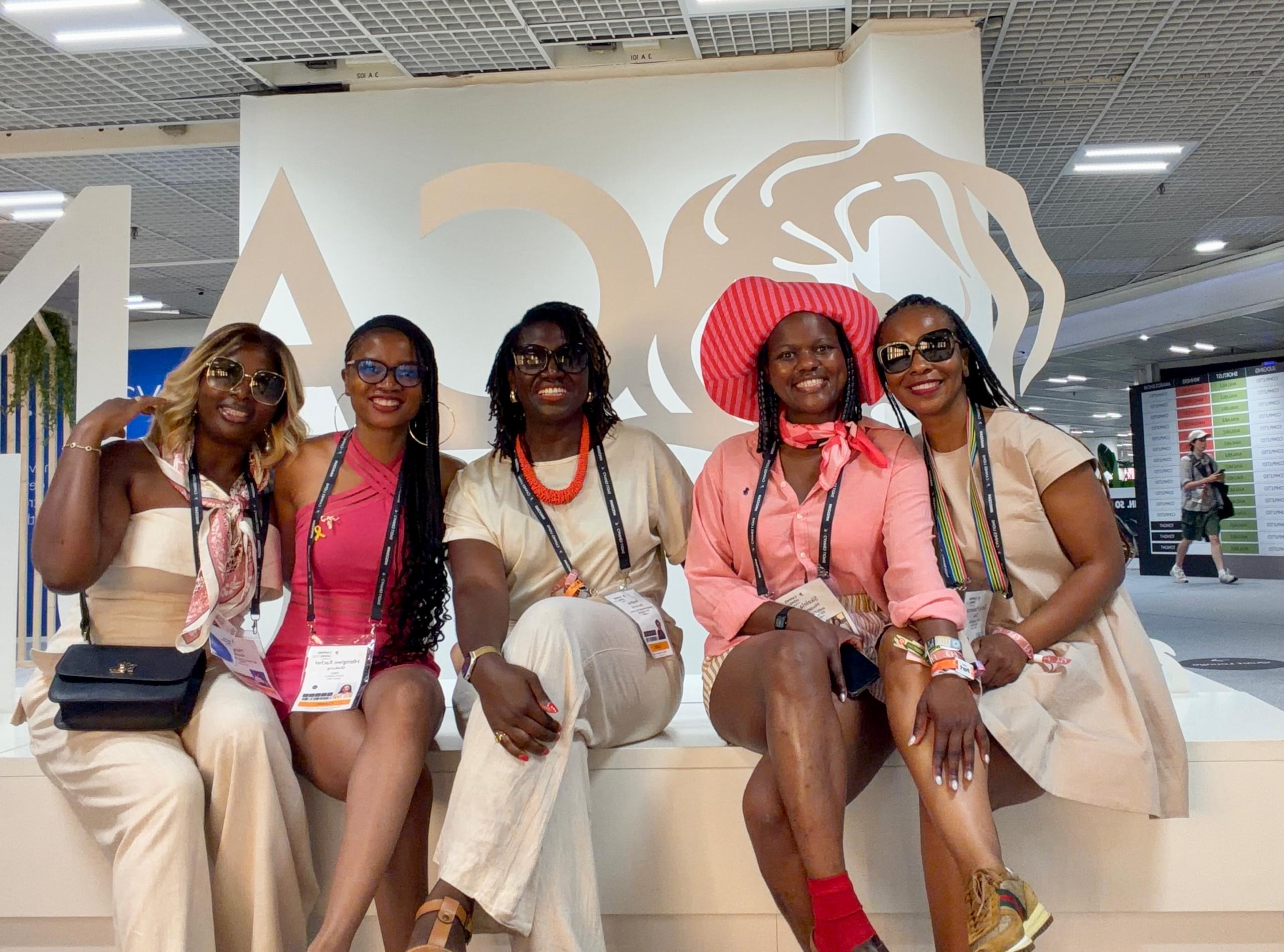
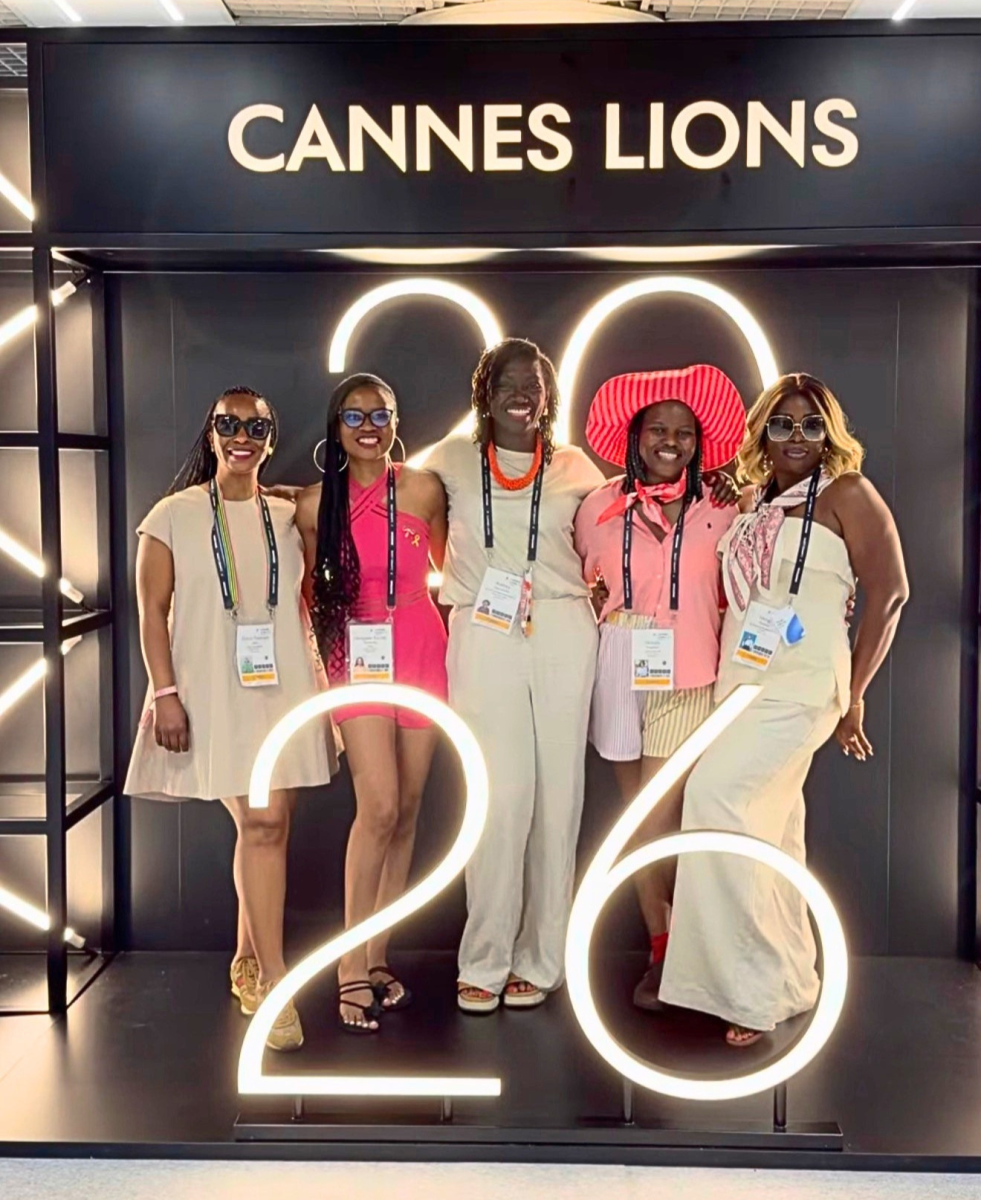 One of the proudest moments of the week was supporting our second Women in Marketing Africa Cannes Lions ERA Pass cohort.
This year, four outstanding women joined us in Cannes:
with two of the women, Zinhle and Nengi, securing speaking engagements in Cannes.
Unfortunately, another deserving delegate, Eniola Ogunmekan from Nigeria, was unable to attend after experiencing visa challenges.
While disappointing, her experience reflects a wider issue that continues to affect many talented African professionals.
Access to global industry events is about far more than securing an invitation or funding a ticket. Too often, talented people are still prevented from participating because of barriers that have nothing to do with their capability or contribution.
For those who were able to attend, the experience was transformational.
One comment stayed with me throughout the week.
“You can’t leave Cannes unchanged.”
Your thinking expands.
Your network grows.
Your understanding of the industry changes.
You begin to see opportunities that previously felt out of reach.
Many people describe returning to their day jobs with a completely different perspective because they have seen what is possible when the world’s creative industries come together.
That is exactly why programmes like the ERA Pass matter.
Africa’s conversations are becoming global conversations
One noticeable difference this year was the growing confidence with which African stories were being told.
Rather than simply being represented, African leaders were increasingly shaping discussions about creativity, marketing, technology and business.
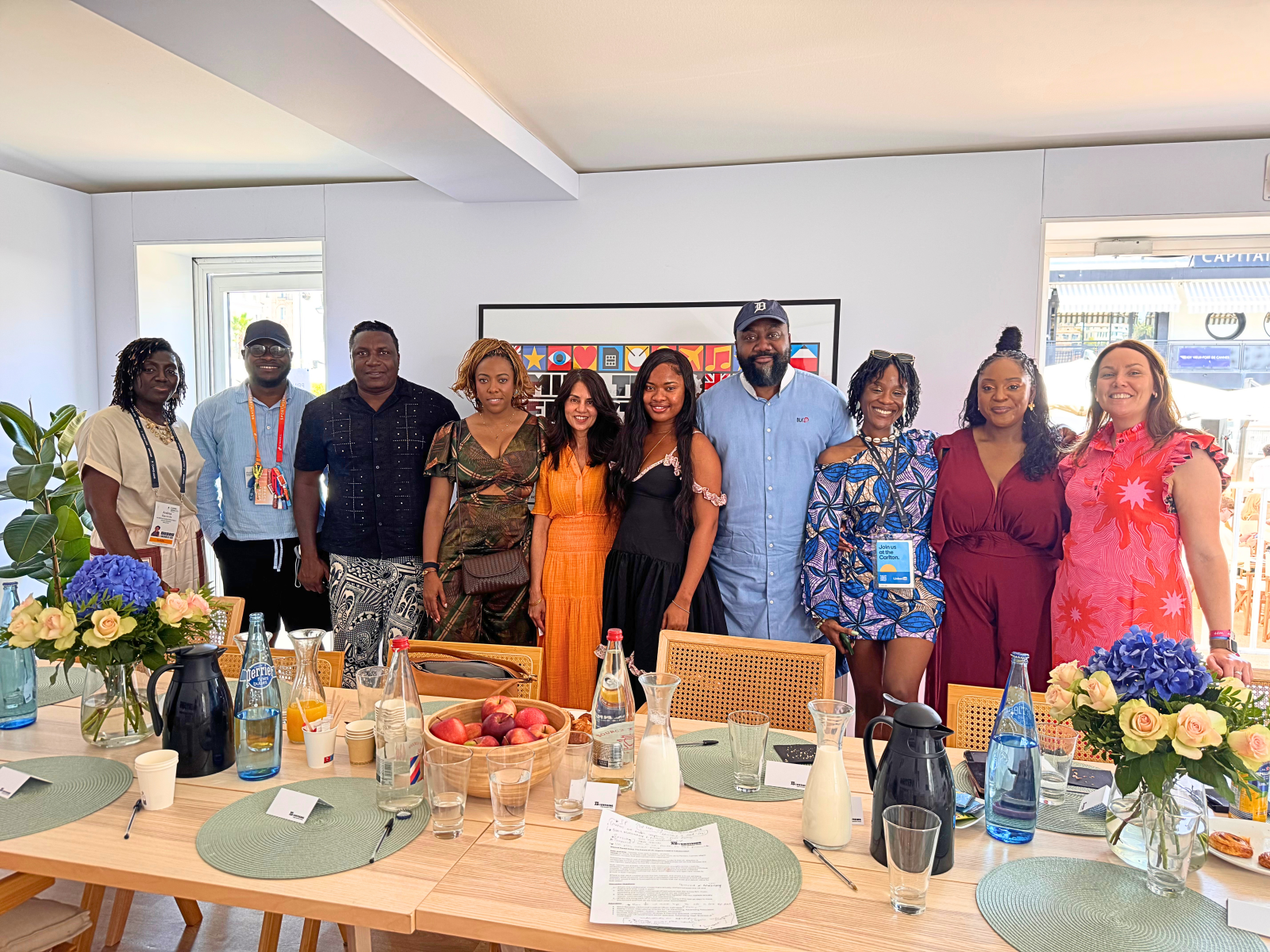 My week began by joining a UK Advertising Roundtable exploring the future of UK-Nigeria creative collaboration following recent agreements between the two countries.
The discussion moved beyond the traditional conversation around market entry.
Instead, it focused on what meaningful collaboration should actually look like.
The strongest message emerging from the discussion was that successful partnerships cannot be based on transactional relationships or one-sided expansion. They must be built on shared expertise, local leadership, cultural understanding and long-term investment.
African agencies and marketers do not simply provide local execution.
They bring strategic insight, cultural intelligence and consumer understanding that global organisations increasingly need.
That conversation reflected a wider theme that continued throughout the week.
The question is no longer whether Africa should have a seat at the table.
The question is how much influence Africa has once it arrives.
Inclusion remains a commercial advantage
One of the most thought-provoking sessions I attended was hosted by Kantar South Africa, bringing together senior South African marketing leaders to discuss inclusion through the lens of real campaigns:
Host: Ndeye Diagne, Chief Strategy & Transformation Officer at Kantar
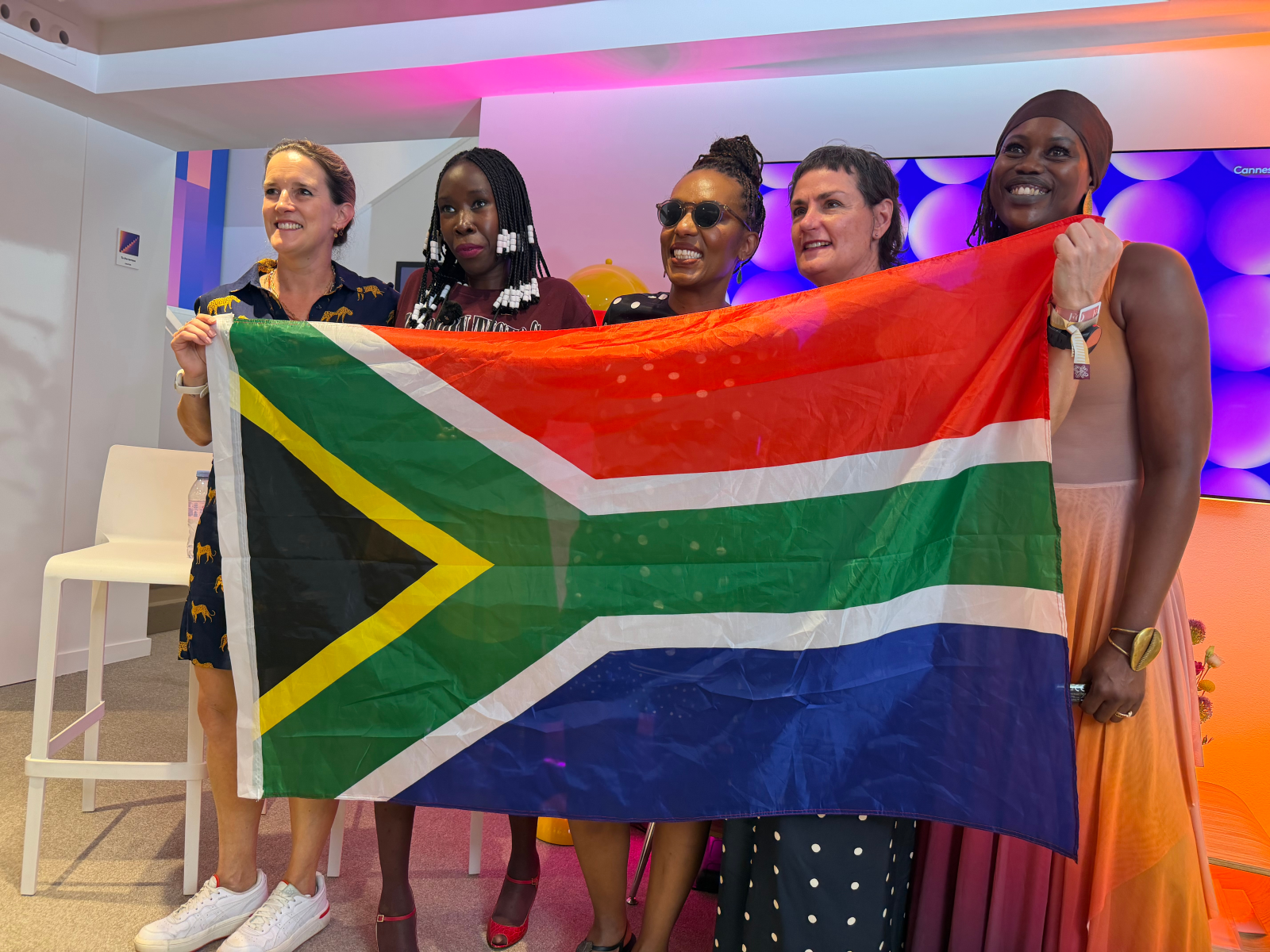
The discussion reinforced an important principle that Women in Marketing Africa has long championed.
Inclusion is not simply the right thing to do.
It is good business.
As Ivan Moroke, former Kantar South Africa CEO memorably put it:
“If you’re not doing it for the love, do it for the money.”
Research continues to demonstrate that inclusive marketing drives stronger commercial performance, wider audience engagement and long-term brand growth.
Several campaigns demonstrated this perfectly.
Khensani Nobanda shared Nedbank’s Youth X campaign, which honoured the young people of South Africa during the 1976 protests and explored South Africa’s history through deeply human storytelling.
Initially, there were concerns internally that such a campaign might alienate some audiences.
The opposite happened.
Customers from across different communities embraced the campaign because authentic storytelling has the power to connect far beyond its intended audience.
That lesson extends well beyond South Africa.
When brands genuinely represent people and tell honest stories, they rarely divide audiences.
More often, they bring them together.
Other discussions explored how music, culture and shared lived experiences continue to shape identity across Africa.
Whether through Spotify’s reflections on the evolution of South African music or Unilever's creative work on the Vaseline brand rooted in universal family experiences, the message was consistent.
The more authentically local a story becomes, the more globally relatable it often is.
Africa’s creative economy continues to grow
Another highlight was moderating a panel at 88 Percent’s Culture Village exploring Africa’s Creative and Consumer Explosion.
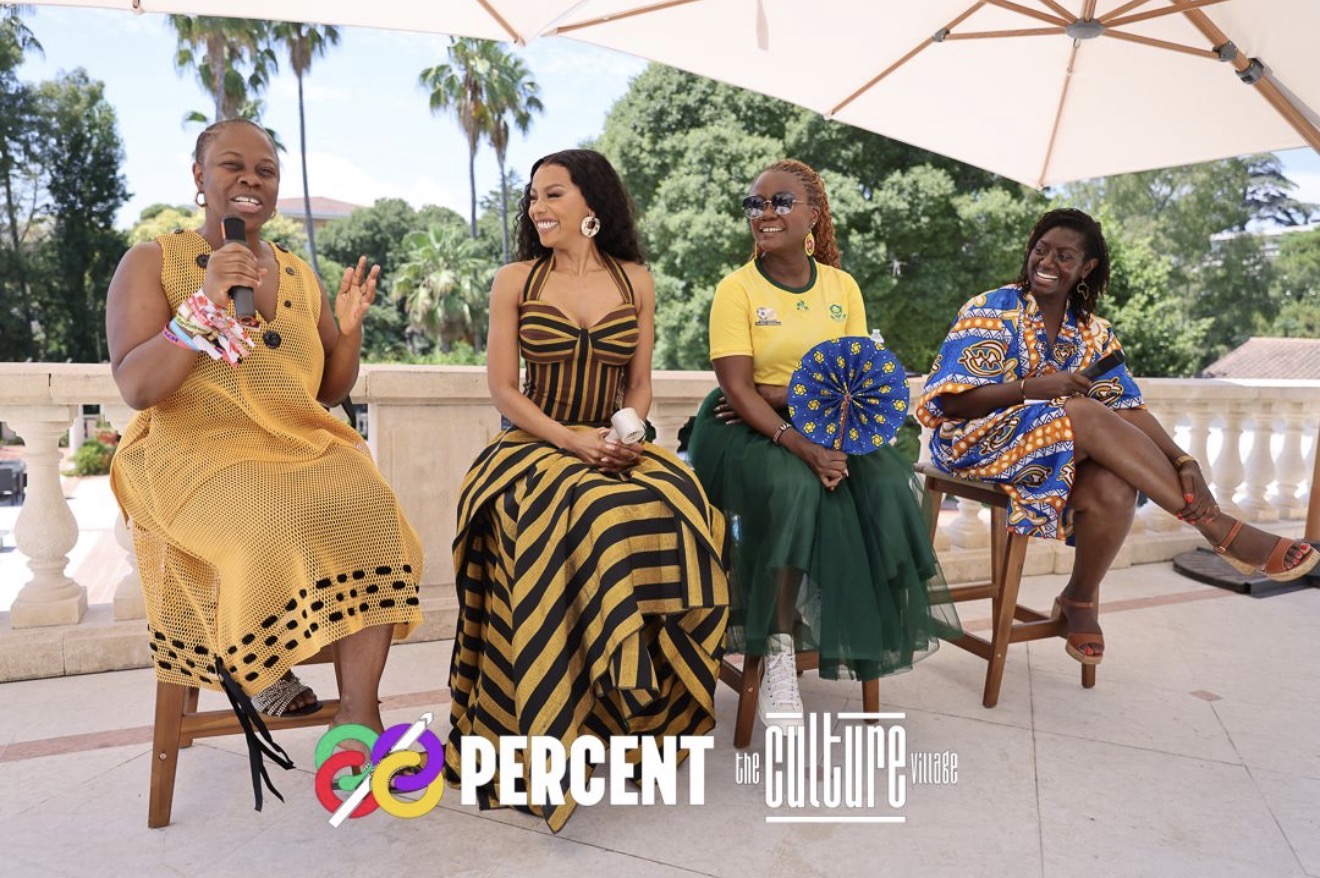
Together with Zizwe Awuor Vundla, CMO at Safaricom, Entrepreneur and media personality Bonang Matheba and Former head of Music Africa at YouTube, Addy Awofisayo, we explored why Africa represents one of the world’s most exciting growth opportunities.
Africa has the world’s youngest population.
It has some of the fastest-growing digital adoption anywhere.
Its creator economy is expanding rapidly.
Its consumers are increasingly shaping global culture through music, entertainment, fashion, technology and entrepreneurship.
Yet perhaps the biggest opportunity lies in recognising that Africa is not simply an emerging market.
It is a source of ideas, innovation and creativity that increasingly influences global culture.
The conversation also reinforced something we discussed at our Nairobi debate only weeks earlier.
Representation is no longer enough.
Real progress happens when African professionals help shape strategy, creative direction and decision-making from the outset.
Creators are changing the marketing landscape
One trend stood out more clearly than almost any other.
Creators are no longer guests at Cannes.
They are becoming central to the industry’s future.
Last year, their presence felt significant.
This year, it felt transformational.
Across multiple stages, creators, influencers and independent storytellers were discussing business strategy alongside global CMOs.
Traditional media organisations still play an important role.
But increasingly, individual creators have become media businesses in their own right.
For marketers, that shift requires new thinking around influence, community and authenticity.
African creativity is finding its voice
One of the week’s most enjoyable sessions was The Great Debate, led by Emuron Alemu, Chief Creative Officer at The Quollective, which asked whether Africa’s advertising industry has done enough to elevate African creativity globally.
It was a deliberately provocative question.
African music has transformed the global charts.
African fashion appears on international runways.
Nollywood has built one of the world’s largest film industries.
Has advertising kept pace?
The discussion revealed a range of opinions.
Some argued that significant progress has already been made.
Others felt much more remains to be done.
What everyone agreed on was that African creativity deserves greater visibility and greater ownership on the global stage.
That ambition was evident throughout Cannes.
From 88 Percent and Culture Village to Black At, Sixth Hive and many other Global South initiatives, African professionals were not waiting for invitations.
They were creating their own platforms, convening their own conversations and ensuring their voices were heard.
Relationships remain the greatest return on investment
After six Cannes Lions, one lesson becomes clearer every year.
The greatest value rarely comes from trying to attend every session.
It comes from conversations.
Some of the most valuable discussions happened over coffee, walking between venues or sitting beside complete strangers at lunch.
Future collaborations often begin with unexpected introductions.
Ideas develop through genuine curiosity rather than carefully planned networking.
This year I intentionally created more space for those conversations.
It proved to be one of the best decisions of the week.
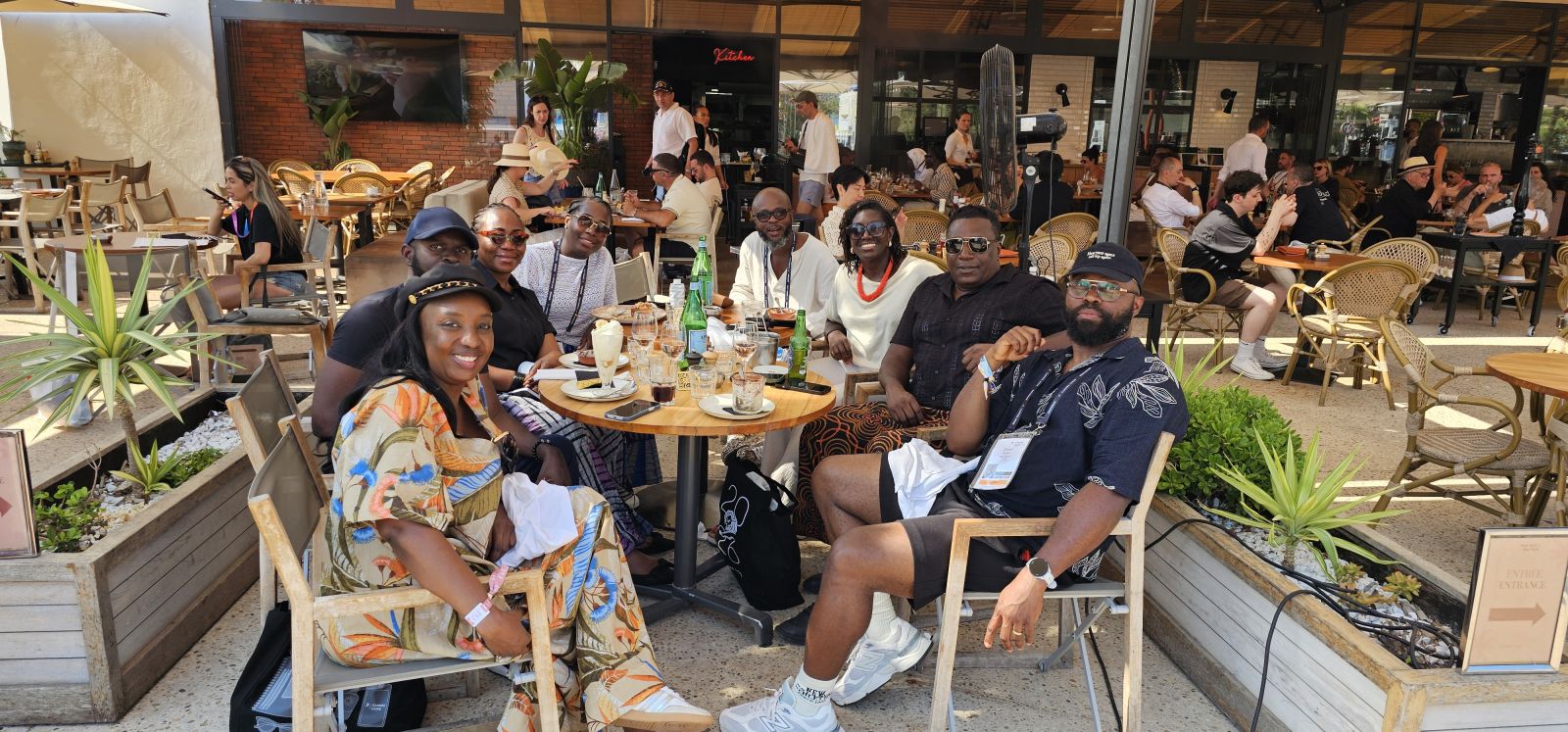
That was perhaps best illustrated on my final afternoon in Cannes.
What started as an informal late lunch quickly became one of my favourite moments of the week, bringing together an inspiring group of West African creative leaders including Steve Babaeko, Oluwaseyi Layade, Esosa Osagie, Sharon Mills and others who have been shaping the industry's future as agency leaders, Cannes jury members and creative pioneers.
As the conversation flowed, someone joked that it was probably the largest gathering of West Africans at Cannes. Whether or not that was true, it certainly felt symbolic.
Looking around the table, I was reminded just how far African creativity has come. Here were leaders from across the region sharing ideas, celebrating one another's achievements and already talking about future collaborations. There was laughter, honest conversation and a shared sense that African voices are no longer waiting to be invited into global creative spaces—they are helping to define them.
It was the perfect way to end the week and a fitting reminder that while Cannes is known for its awards, its greatest value often lies in the relationships that continue long after everyone has gone home.
Looking ahead
As we left Cannes, one thing felt clearer than ever.
Africa does not lack talent.
Africa does not lack creativity.
Africa does not lack ambition.
What many professionals still lack is equitable access to the rooms where global conversations happen.
That is why Women in Marketing Africa exists.
Our role is to continue opening doors, creating connections, championing visibility and ensuring more African women have opportunities not only to attend global platforms, but to influence them.
Cannes Lions 2026 reminded us that the conversation about Africa has changed.
Increasingly, Africa is helping lead it.
And that is a future worth building together.