
24 June 2026
By Ziada Abied, Editor - Women in Marketing Africa
For years, the marketing industry has celebrated progress in how Africa is represented in global advertising.
More African faces appear on screens. More campaigns reference African culture. More brands speak the language of inclusion, diversity and localisation.
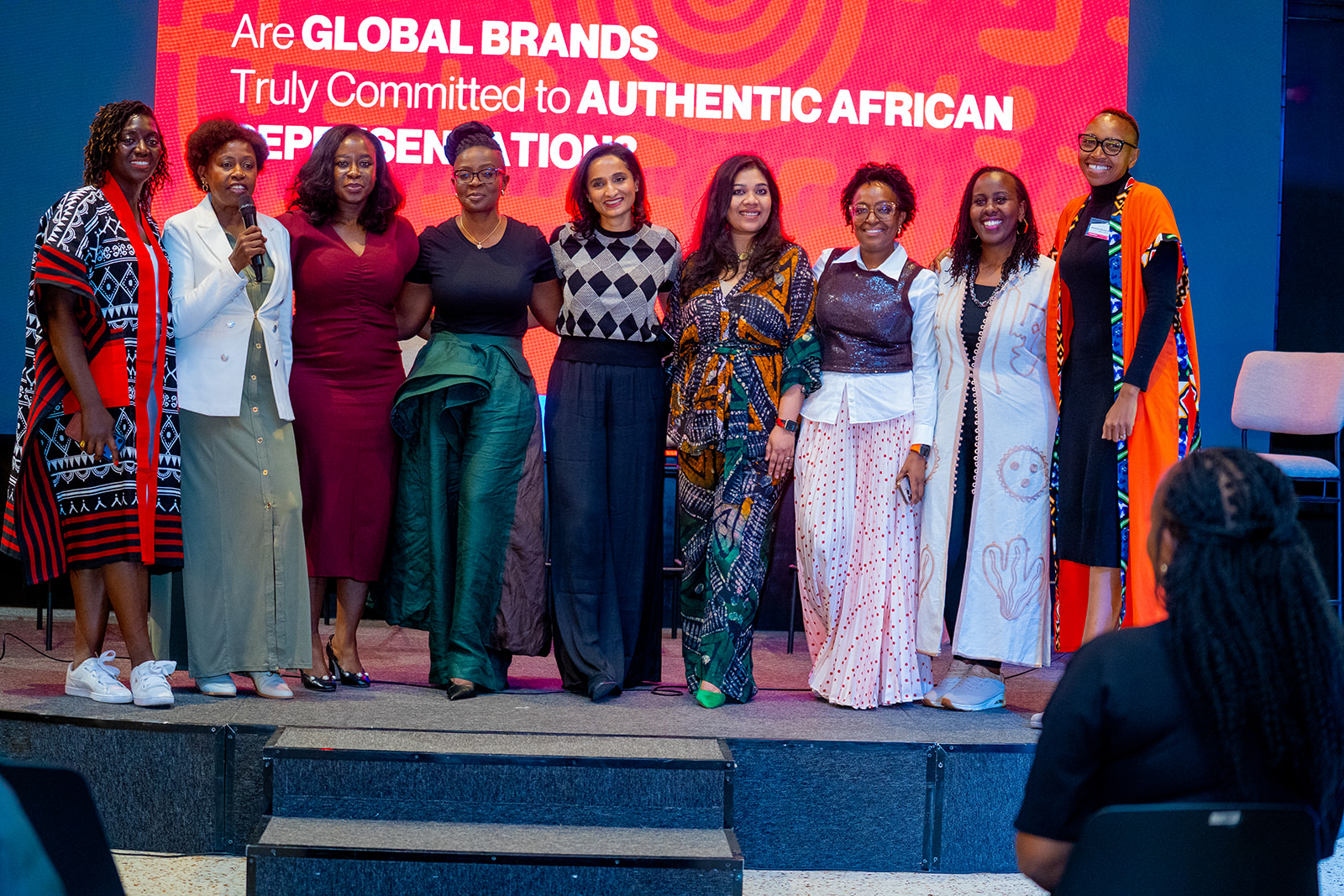
Yet a question posed during the recent Women in Marketing Africa Real Talk Debate in Nairobi challenged the industry to look deeper:
"Are global brands truly committed to authentic African representation?"
The debate quickly revealed that this is no longer a conversation about whether Africa is visible. The real question is whether Africa is genuinely being heard, valued and empowered within the systems that shape global marketing.
The answer, according to the panel, is complicated. Progress is undeniable.
But authenticity remains unfinished business, and nowhere is that more visible than in the campaign histories of the marketers who have actually lived the tension, built global brands while fought, often quietly, for an African perspective to survive the journey from boardroom to billboard.
From Emerging Market to Cultural Powerhouse
 For decades, Africa was primarily framed through an economic lens.
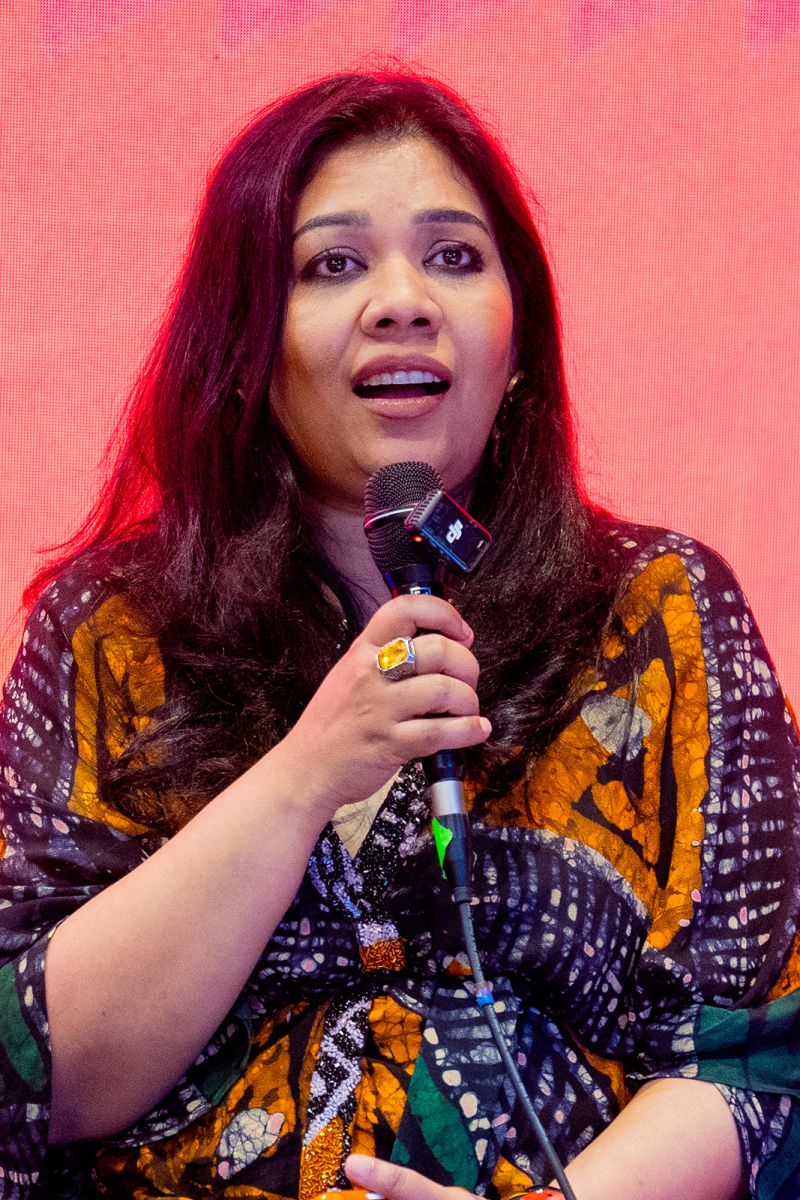
As Megha Dutta, Executive Creative Director, The Partnership Africa observed:
"Twenty years ago, global brands came to Africa looking for new consumers, and they reduced Africa to one word: emerging."
Today, the narrative has evolved.
"Africa is now young. Africa is entrepreneurial. Africa is creative. They are back for our culture. And yet again, they have reduced Africa to one word, which is vibrancy. The problem is not visibility itself. The problem is oversimplification," Megha argued.
But this shift also raises a challenge. Have brands simply replaced one stereotype with another?
Africa remains one of the most diverse regions in the world, comprising 54 countries, thousands of languages, multiple faiths, cultures, economic realities and consumer identities.
Reducing all of that complexity into a single narrative, whether "emerging" or "vibrant", risks creating a new generation of stereotypes.
Research increasingly supports this concern.
Kantar's Africa Life 2025 study highlights the importance of understanding the human truths that shape consumer behaviour across African markets, demonstrating that meaningful relevance requires deep local understanding rather than broad continental assumptions.
The challenge for marketers is clear: representation cannot be built on shortcuts.
Being Seen Is Not the Same as Being Heard
One of the most powerful moments of the debate came when the discussion shifted from representation in advertising to representation in decision-making.
As Megha put it:
"I think we are mistaking being seen for being heard."
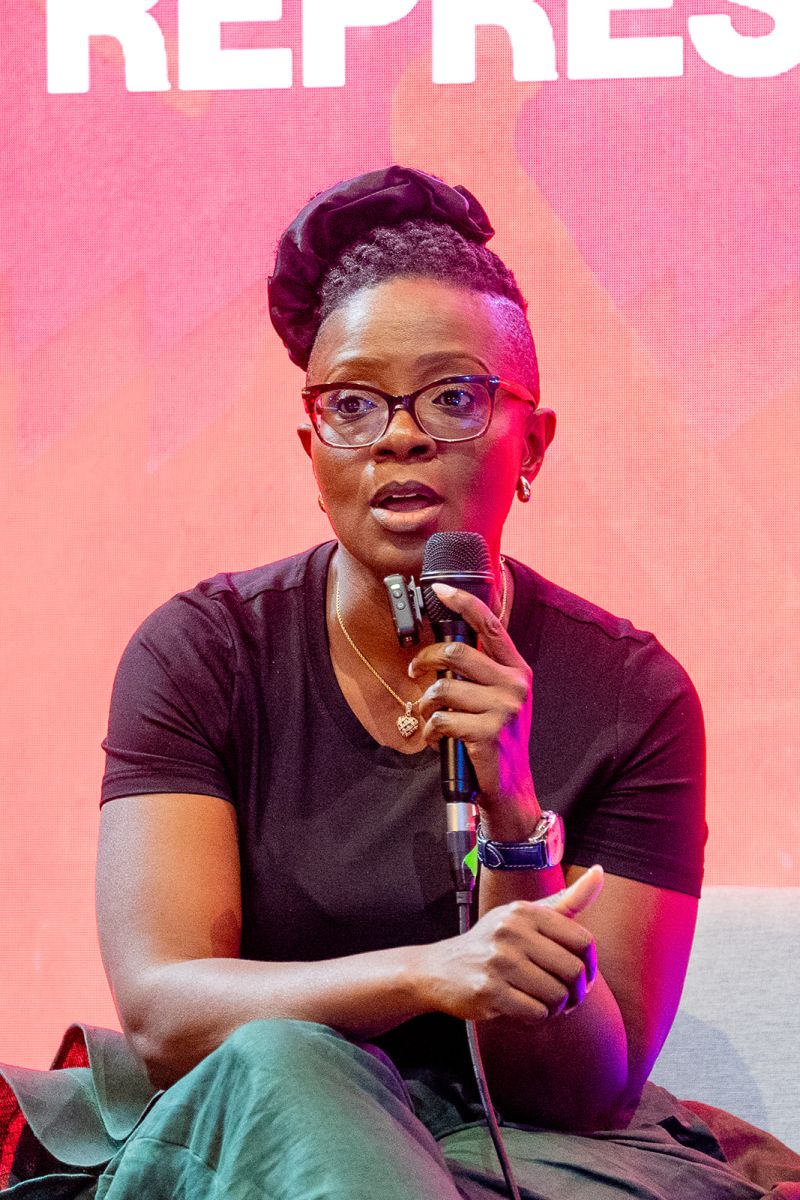 Many global brands have become increasingly comfortable featuring African faces, landscapes and cultural references in campaigns.
“But who defines the strategy? Who determines the insight? Who approves the budget? Who decides what stories get told?” Akua Owusu Nartey, CEO, WPP Scan Group curiously asked.
The debate repeatedly returned to a central truth:
Representation on screen matters, but representation in the room matters even more.
The Unstereotype Alliance's State of the Industry 2026 report reinforces this point through one simple observation:
"Who makes the work shapes the work."
When creative leadership, strategic planning and investment decisions remain concentrated elsewhere, representation risks becoming performative rather than transformative.
Several panellists highlighted that while localisation efforts have improved significantly over the past decade, decision-making authority often remains distant from the markets brands seek to represent.
This is not an abstract concern.
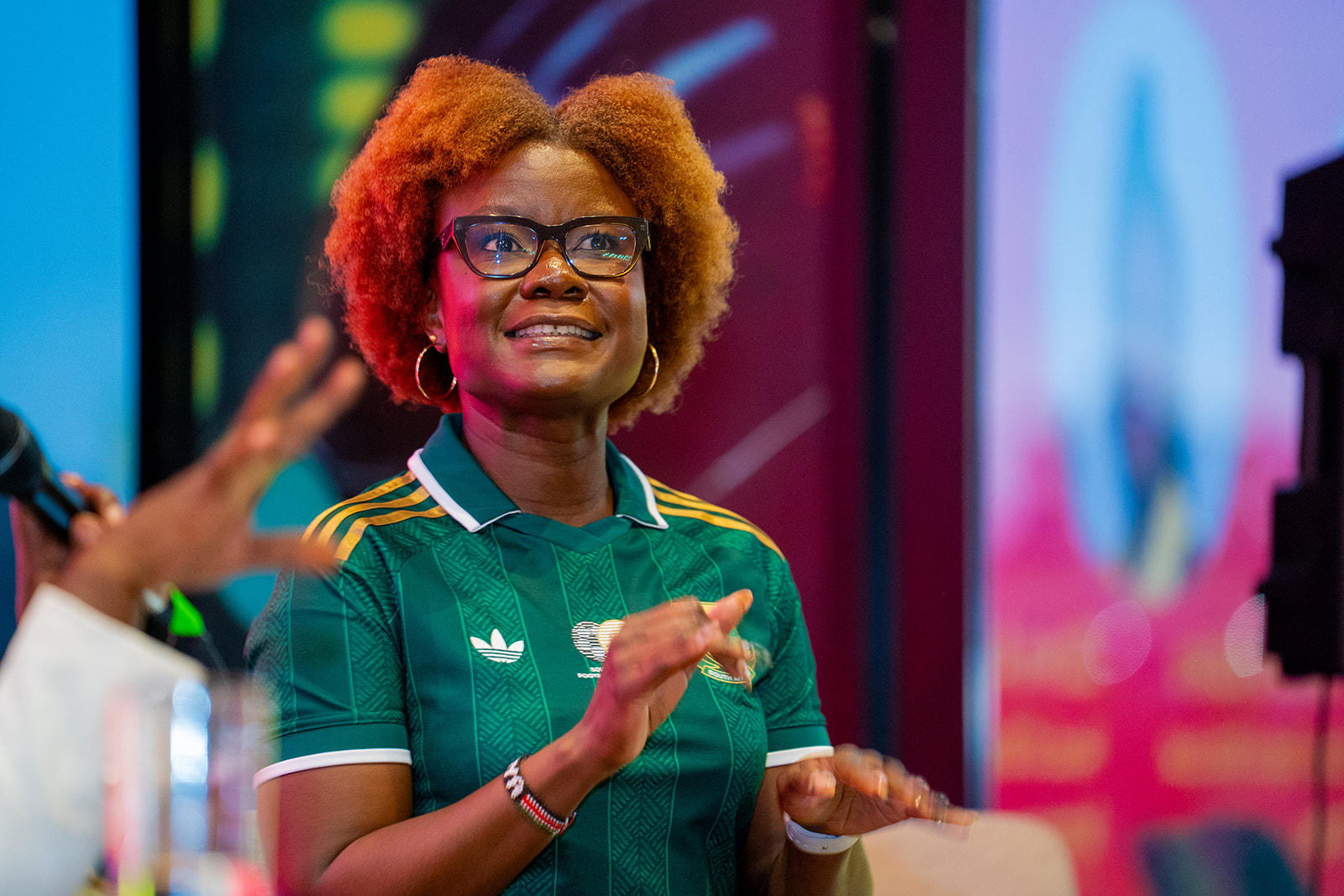 Zizwe Awuor Vundla, Safaricom's Director of Brand and Marketing, who spent fifteen years at P&G and led marketing and innovation at Diageo before returning to Kenya, has watched the gap between being seen and being heard play out from inside some of the world's largest marketing organisations.
Speaking during a fireside chat, she recalls being flown out, alongside marketing leaders from other major brands on the continent, to Meta's headquarters in California for an Africa-focused summit: the campus tour, the photographs by the sign, a seat in the room while new products were unveiled. It had every appearance of inclusion.
Looking back, she is unconvinced it amounted to much more than that.
"It feels like that was lip service. Let's take the Africans to San Francisco, let's dazzle them with the amazing cafeteria, let's take photos outside the sign, so they feel good in that moment and feel like we're listening. But when they get back to Nairobi, or wherever everyone else went back to, it's business as usual," said Zizwe.
The trip changed nothing about how decisions were actually made once everyone landed home. That gap, between a seat at the table and a say in what happens next, is precisely what separates being seen from being heard.
The result can be campaigns that look African without necessarily being built from African realities.
The Localisation Trap
 One recurring tension throughout the discussion was the difference between adaptation and authentic localisation.
Many global brands have mastered adaptation. Far fewer have mastered understanding.
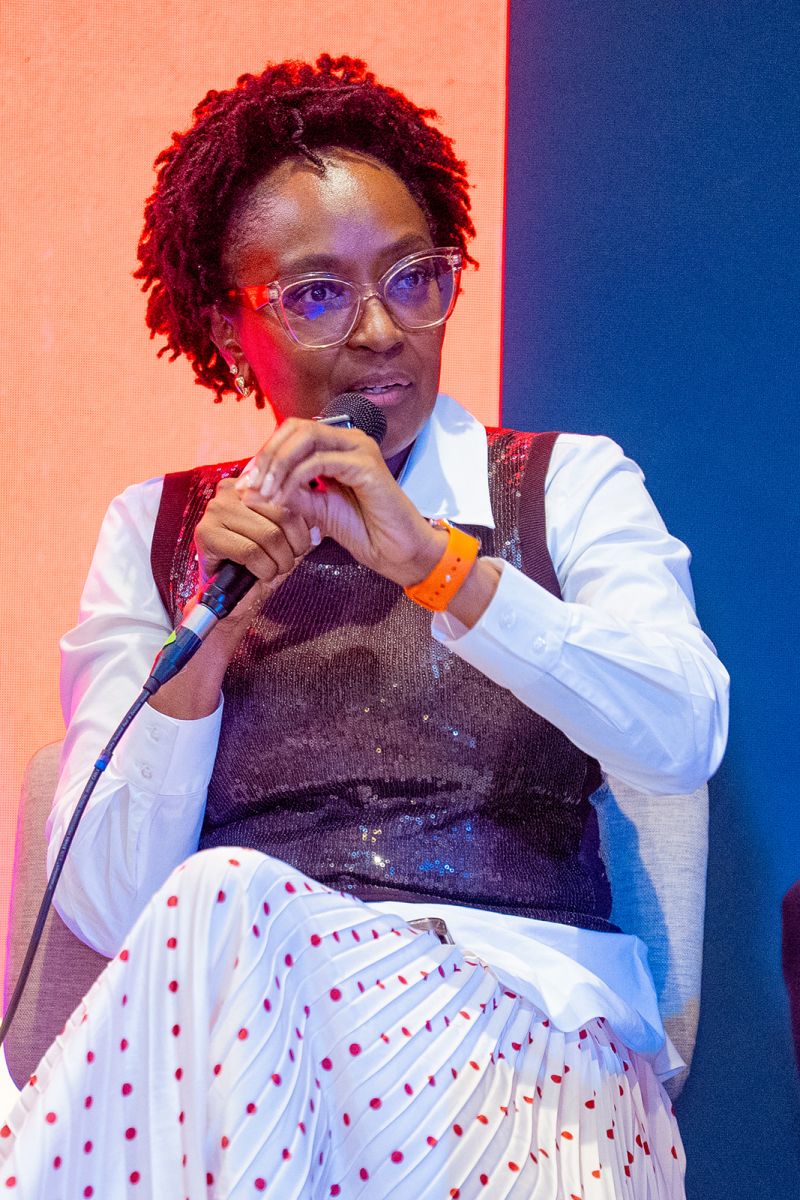
Serah Katusya, CEO, Beiva Digital, shared a powerful example from the consumer goods sector:
"Sometimes the representation feels like slapstick. Just put something on top. You're not really going deep."
The example illustrated how brands may feature African consumers in campaigns while continuing to design products, experiences and strategies primarily for entirely different contexts.
The debate highlighted an uncomfortable reality for marketers:
Localisation is not translating a global campaign into local languages.
Localisation is understanding how people actually live.
The distinction matters.
What appears to be a universal insight often reveals itself to be highly contextual when examined closely.
A campaign built around the global idea that "dirt is good" may resonate in markets where outdoor play is celebrated and laundry is largely automated.
"In most parts of Africa, mothers are overworked, overstretched, washing is a hard manual task, water is scarce, detergent is expensive. And so dirt is not good in Africa," Megha emphasised while sharing a case study.
The lesson is profound.
Human truths may be universal. Their lived realities rarely are.
Zizwe’s own career supplies one of the sharpest illustrations of that lesson, one where the trap was avoided.
Her example came earlier, at P&G, launching Ariel into a Kenyan laundry market the global business barely registered. "Kenya was a hobby," she says of how the market was viewed at headquarters at the time.
With almost no research budget, she gathered her aunt's neighbours at a family home in Madaraka, Nairobi, served them a meal, and talked through detergent claims around the table. One phrase landed instantly: mwosho moja—"one wash"—less soaking, less scrubbing, more value than the market leader, Omo.
The campaign outperformed Unilever in a market it had dominated for years. It went further than that: One Wash went on to become P&G's flagship global laundry claim. Years later, driving out of Charles de Gaulle airport in Paris, Zizwe saw it on a billboard.
"It just shows the power of starting from the ground. When you're strong on insight, you realise our ideas can move globally," she said proudly.
Why Specificity Is the New Competitive Advantage
The conversation also challenged one of marketing's longest-held assumptions: the idea that one campaign can effectively speak to everyone.
Historically, brands depended on a handful of mass media channels.
Today's audiences consume content through TikTok, YouTube Shorts, streaming platforms, creator communities and niche digital ecosystems.
The result is a fundamental shift in storytelling.
"We are trying to create one piece of content that talks to everybody." Serah explained.
That approach increasingly feels outdated.
Modern audiences expect relevance.
They expect nuance.
They expect stories that reflect their realities.
Zizwe has heard the counter-argument many times, usually from global teams defending a single continental campaign on cost grounds: “Africa is simply too vast, too fragmented and too expensive to localise market by market.” Her response cuts through it:
"Why are we looking at Africa like it's a country?"
The panel argued that brands must move away from singular campaign thinking and embrace a storytelling ecosystem approach, one big idea expressed through multiple culturally relevant stories.
In other words, representation is no longer about creating one African story. It is about creating space for many African stories.
The Business Case for Representation
Importantly, the debate avoided positioning authentic representation as merely a moral obligation.
Instead, it repeatedly returned to the commercial opportunity.
Asked point-blank, during a fireside chat conversation, whether Zizwebelieves global brands are truly committed to authentic African representation, she didn't hedge:
"No, I don't think they are."
"Operating models built for global consistency struggle to flex for local nuance, the cut-and-paste approach fails to land, and rather than rebuild for the market, the market gets written off," she noted.
Africa is home to one of the world's youngest populations.
The continent is increasingly mobile-first, digitally connected and culturally influential.
According to the GSMA Mobile Economy Africa 2025 report, Africa's mobile ecosystem contributed approximately $220 billion to the economy in 2024 and is projected to reach $270 billion by 2030.
Meanwhile, PwC forecasts continued growth across Africa's entertainment and media sectors, with markets such as Kenya outperforming many global benchmarks.
This is not a peripheral market.
 It is a growth market, an innovation market and increasingly a culture-shaping market.
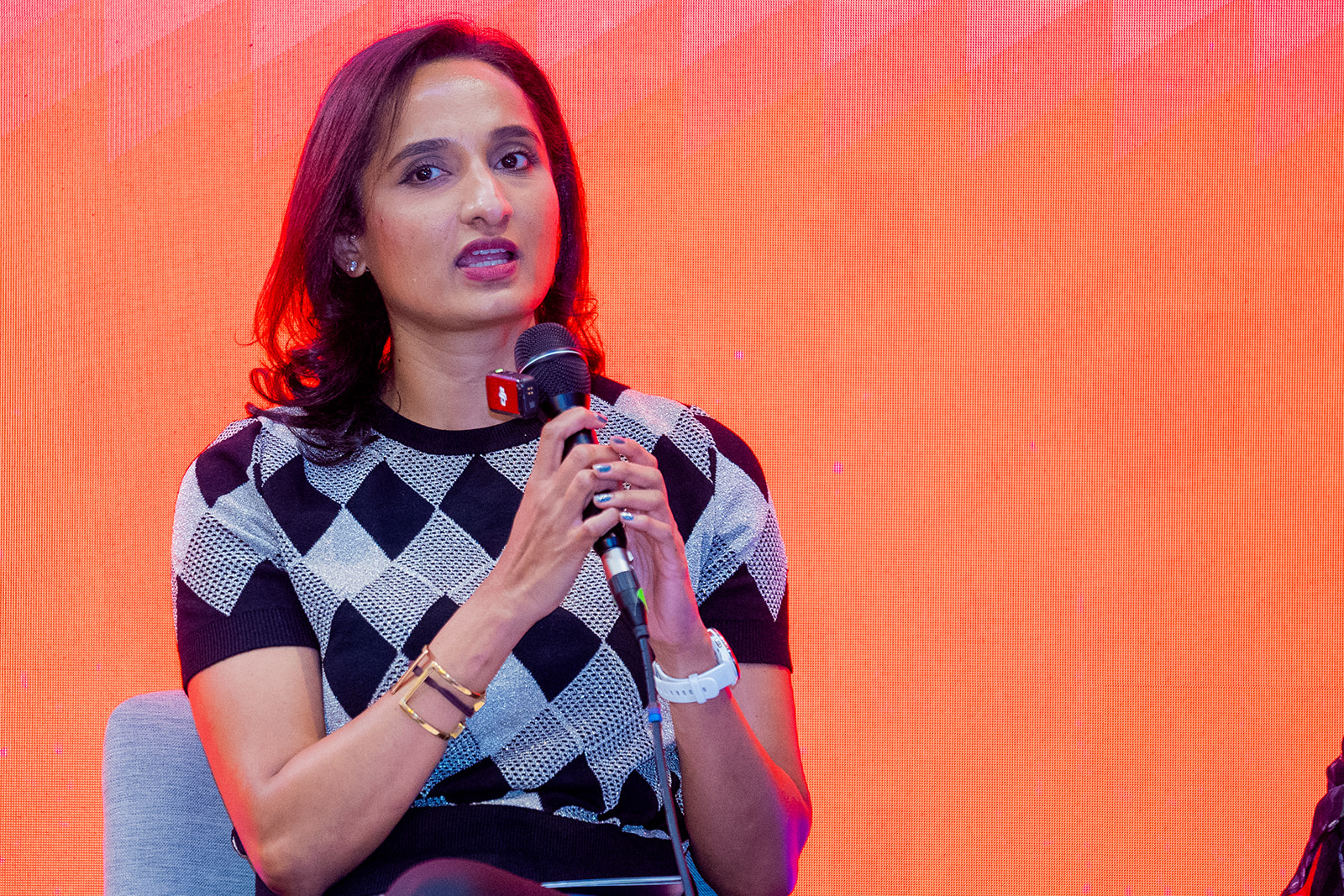
As Palak Kamdar Radia, Marketing Director East Africa and Indian Ocean – Mastercard, stated during the debate:
"If you're not seeing this as a commercial bet, and still a value representation game, you've already lost the game."
Authentic representation is not separate from growth.It is increasingly becoming a prerequisite for growth.
Beyond Representation: The Ownership Question
 Perhaps the most forward-looking part of the debate explored a question that extends beyond advertising altogether.
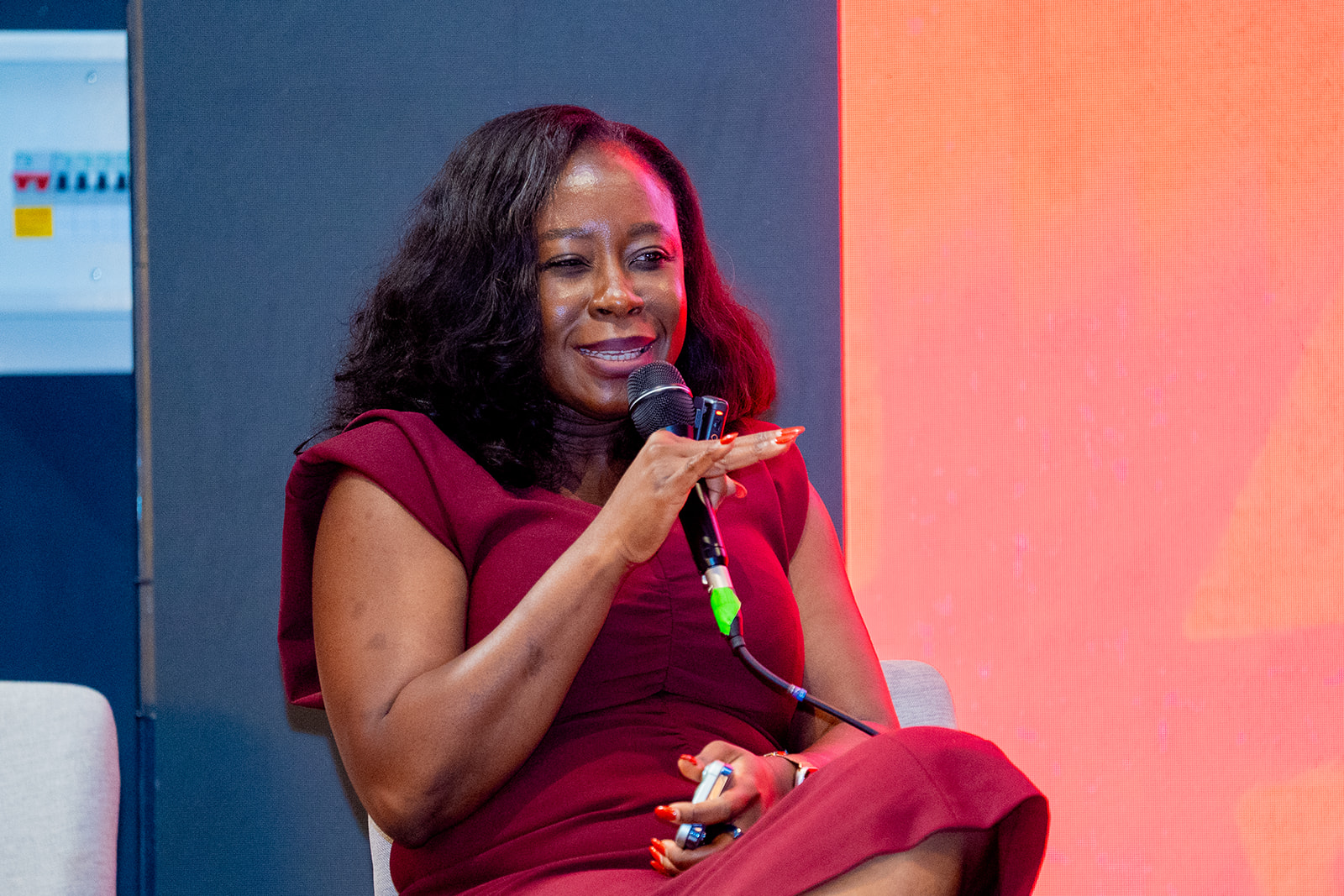
Ope Lawal, Chief Marketing Officer – NBA Africa, challenged the audience directly:
"Representation is just scratching the surface. It's about what are the economics of Africa being part of the strategy."
This perspective aligns with broader conversations happening across the continent's creative economy.
Research from Brookings and UNCTAD increasingly positions creativity not merely as cultural expression, but as economic infrastructure.
Africa's music, fashion, film, sport and creator ecosystems are generating global attention. The next challenge is ensuring they generate proportional value for African creators, businesses and communities.
It is also, in Zizwe's view, an instruction that applies just as much inside marketing organisations as it does across the creative industries. Asked what she would tell a global CMO preparing to brief work into Africa, her answer wasn't about sharper insight decks or bigger local budgets. It was about who holds the pen.
"I would leave it to the Africans."
Authentic representation, in other words, cannot stop at putting African creatives, directors and strategists in the room. It has to extend to letting them set the agenda once they're there.
The Future of African Representation
The debate ended without a definitive answer to the motion.
Perhaps that was the point.
Global brands have undoubtedly made progress.There are more African stories being told than ever before. But, the future of African representation will not be measured only by the number of African faces appearing in campaigns. It will be measured by who shapes the strategy, who controls the investment, who owns the story and who benefits from the value created.
African consumers are no longer waiting for global brands to define them. African creators are no longer peripheral voices in global culture. And African marketers are increasingly challenging the assumptions embedded within traditional global operating models.
Brands that treat Africa as a partner in creating the narrative itself will be better positioned for the next era of growth.
As the debate made clear, authentic African representation begins when Africa is no longer simply represented, but genuinely empowered to shape its own narrative.
Because Africa is not niche.
Watch the highlights from the event